
Creative ideas
8 Creative Claude Opus 5.5 Projects: Ideas for Your Next Build
A compelling demo leaves a practical question: what would you build first? Choose one detail worth making tangible: a distinctive letter, an understandable map, or a satisfying player decision. A small finished scene gives you something concrete to judge before committing to a larger project.
The cases follow Kazike and AIZ Xiaozhu’s Digital Life Kazike roundup; model labels and outcomes are their reporting, not independently verified here. The editorial suggestions below are ours.
Explore the examples
These are third-party projects. Motion AI Video did not produce them. Screenshots and gameplay animations retain their source appearance; embedded videos are unavailable here. Follow the original article to watch them.
1. Handwriting: keep the personality
Harshpreet turned handwritten notes into a font.
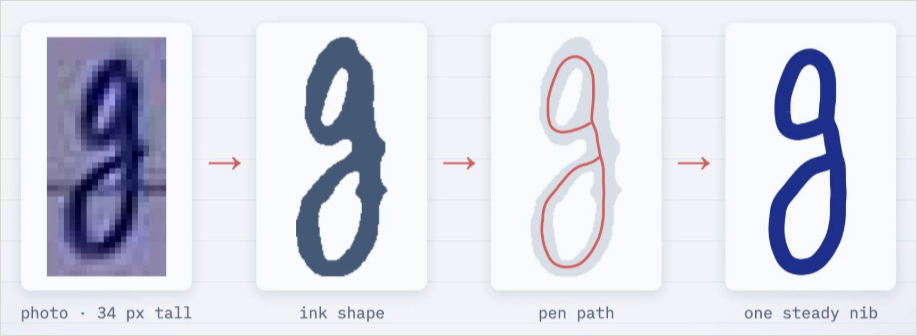
Editorial suggestion: test your own lettering in a sentence, a price and a tiny caption before polishing an alphabet. Readability changes with context. For a short reveal, show the original mark beside the finished letter, then assemble a sentence. Let viewers inspect the difference before the next transition.
2. Ancient Greece: direct the camera first
A student built an ancient Greek environment from visual references.
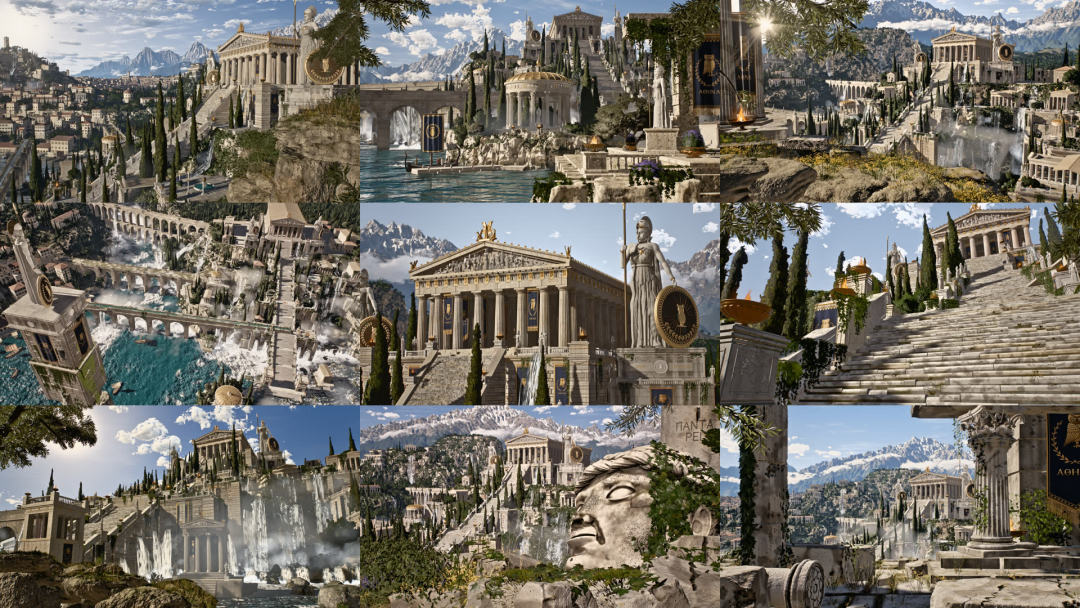
Editorial suggestion: sketch a route through three landmarks before expanding the world. Establish distance in a wide view, approach one destination, and finish on a material detail. Keep a fixed scale reference in each shot. An attractive panorama is easier to understand when the viewer knows where the camera is going.
3. The Little Prince: make one moment playable
Saccc_c’s Little Prince game combined Claude, Tripo and Blender.
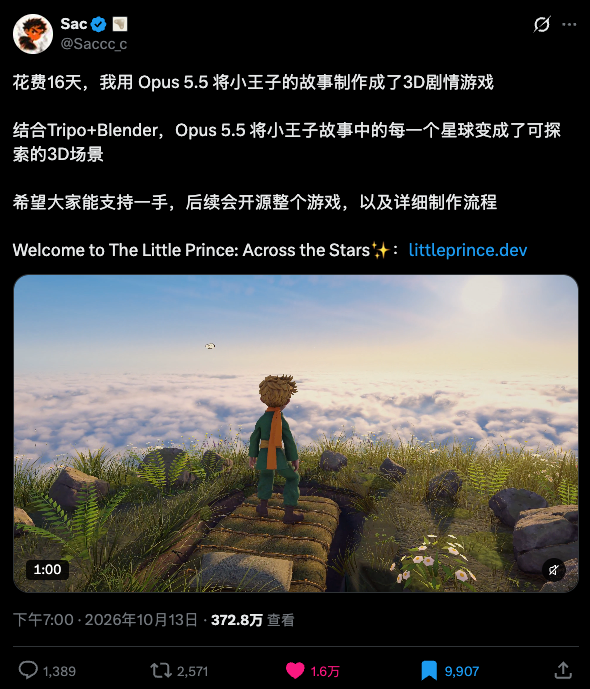
Editorial suggestion: begin with one emotion and one interaction in your own story. A character might approach an abandoned object, examine it, then choose whether to carry it. Prototype that loop before adding locations. Storyboard the approach, discovery and response so a trailer communicates a change rather than simply touring scenery.
4. Chengdu: make evidence readable
EianLu’s Chengdu film cites a Tsinghua building dataset.

Editorial suggestion: separate measured attributes, historical interpretation and decoration into distinct visual layers. Introduce the legend before animating changes. Keep dates and sources visible long enough to read, and never use missing data as evidence of an empty area. Test whether a viewer can explain one comparison without narration.
5. The Old Summer Palace: show uncertainty
Andy L illustrated the Old Summer Palace using an existing rendering workflow.
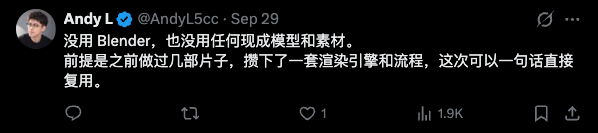
Editorial suggestion: label a reconstruction as illustrative and distinguish documented features from inferred ones. Use solid outlines for supported geometry and a separate treatment for conjecture. A useful sequence moves from a present-day reference to an annotated hypothesis. Beautiful imagery should help viewers inspect the interpretation, including its uncertain parts.
6. The Lord of the Rings: organize decisions
Kevin Ngô’s Tolkien story divided character and scenery work between models.
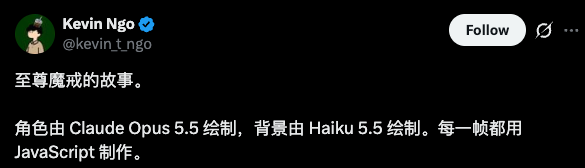
Editorial suggestion: try the structure with an original fantasy premise. Introduce a goal, reveal an obstacle, then show a decision with a consequence. Give recurring characters stable colors and silhouettes. Watch the sequence without sound: if the decision disappears, revise the staging before adding more dialogue or visual effects.
7. TV customization: define a bounded improvement
0xCodila explored television customization with Claude and REA.
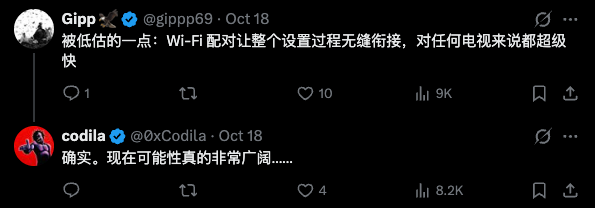
Editorial suggestion: work only with personal devices you are authorized to modify. Describe one desired improvement and a way to restore the original setup. Start with a mock interface and documented controls. For an explainer, diagram the intended interaction; show a successful device action only after observing it yourself.
8. Nenly’s survivor game: prototype the feedback
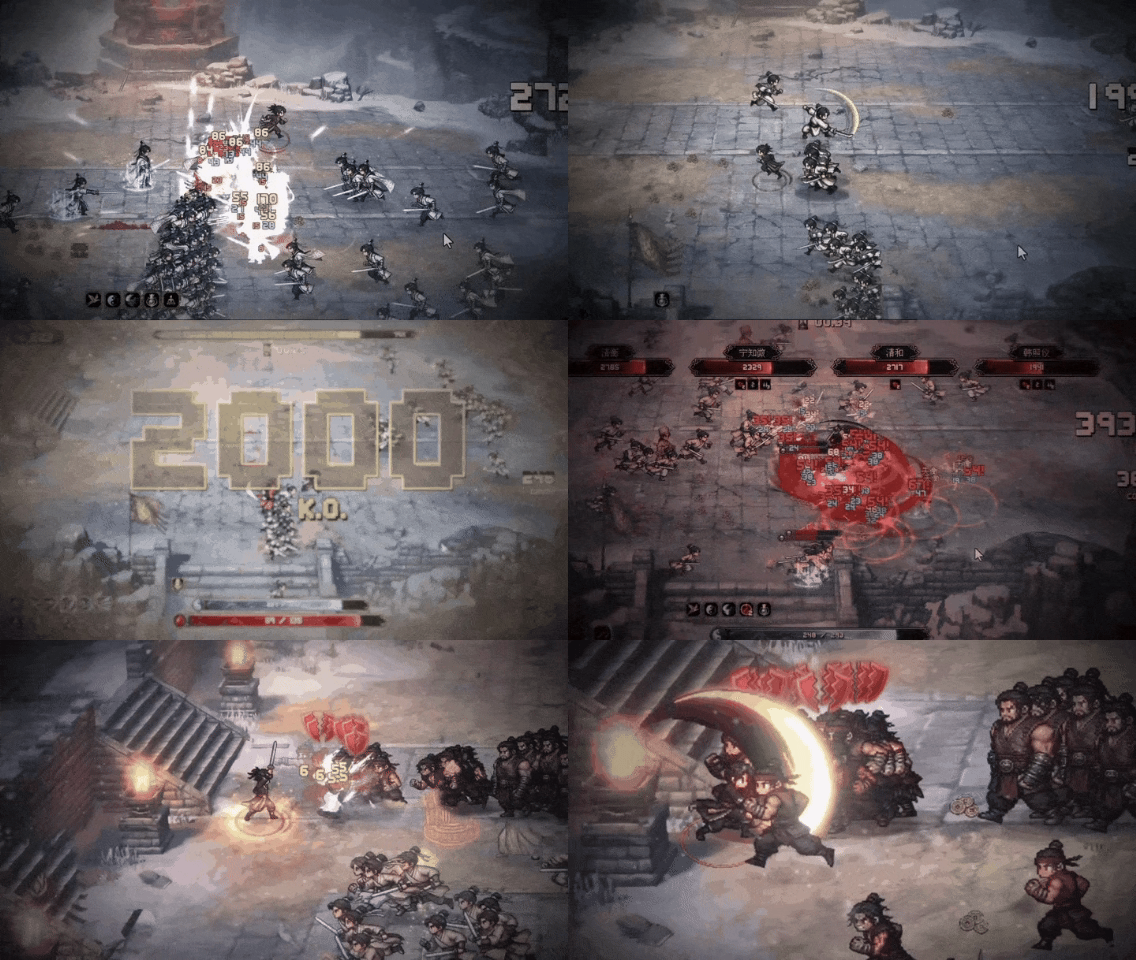
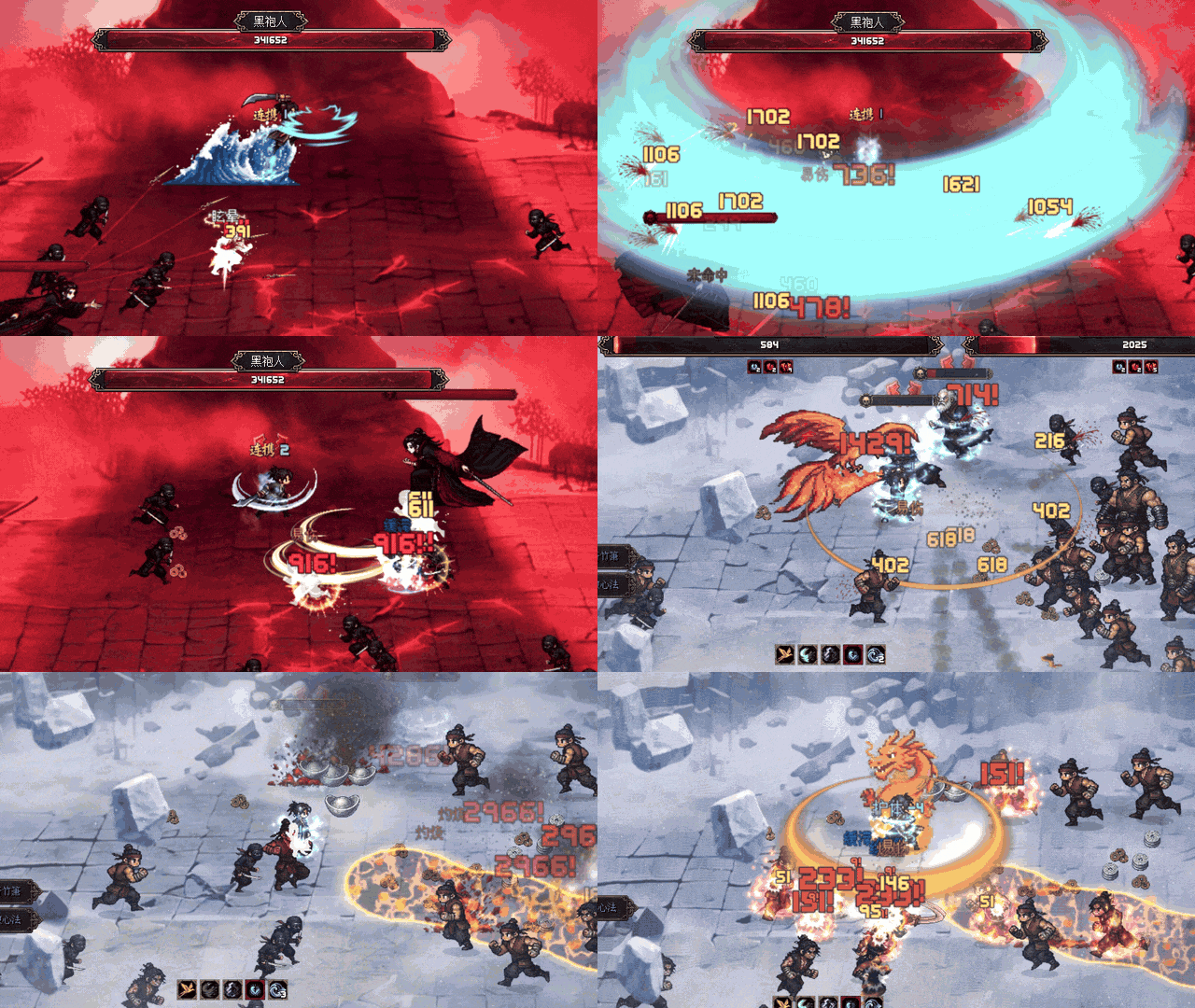
Nenly’s martial-arts survivor game combines AI-assisted disciplines in a Steam release.
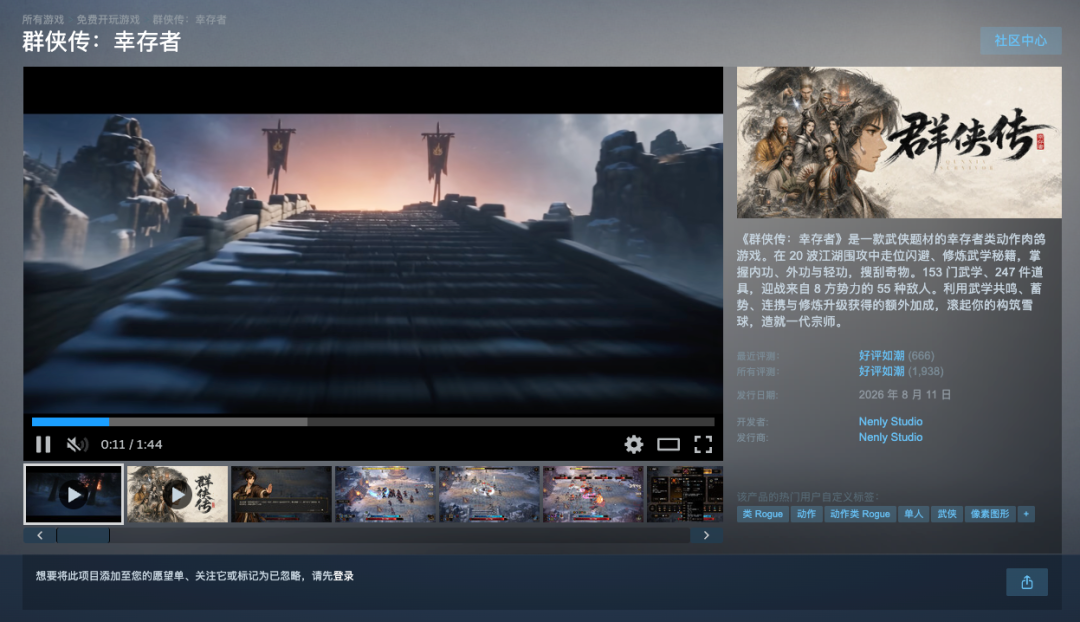
Editorial suggestion: build one encounter with a readable threat, a player choice and clear feedback. Record it at normal speed before cutting a trailer. Select shots that explain what the player does. Judge whether impacts, damage indicators and recovery time remain understandable when the screen becomes busy.
Editorial exercise: finish a small storyboard
Pick one direction and write a 15-second plan: three seconds of context, five showing a change, four explaining the result, and three for a readable ending and credits. This timing is a planning exercise; adjust it to the amount of information. Use your own material or assets you have permission to reuse.
Before generating anything, ask a colleague what they expect to notice in each shot. Afterward, compare that expectation with the actual sequence. Keep the idea that survives this test, then expand it into your next build.